

Retatrutide has rapidly become one of the most discussed investigational peptides in metabolic research. Developed as a next-generation multi-receptor agonist, the compound has attracted significant attention within scientific and pharmaceutical communities due to its unique mechanism and ongoing clinical investigation.
As interest surrounding advanced GLP-based compounds continues to grow, researchers are increasingly exploring how Retatrutide differs from earlier compounds such as semaglutide and tirzepatide. This article examines the current scientific understanding of Retatrutide, its structure, mechanism of action, stability considerations and why quality verification remains critical when sourcing research compounds.
What Is Retatrutide?
Retatrutide is an investigational peptide developed for metabolic and obesity-related research. It is classified as a triple hormone receptor agonist, designed to target:
- GLP-1 receptors
- GIP receptors
- Glucagon receptors
This distinguishes it from earlier generations of peptide compounds which typically target one or two pathways.
Its multi-receptor activity has made it a major focus of current metabolic research, particularly in studies investigating appetite regulation, energy expenditure and glucose metabolism.
Importantly, Retatrutide remains under clinical investigation and is not approved for general commercial or recreational use.
Understanding The Mechanism
Unlike traditional GLP-1 receptor agonists, Retatrutide was engineered to activate three separate pathways simultaneously.
GLP-1 Receptor Activity
The GLP-1 component is associated with:
- Appetite regulation
- Gastric emptying modulation
- Glucose response research
GIP Receptor Activity
The GIP pathway is currently being investigated for its potential role in:
- Insulin sensitivity
- Metabolic signalling
- Energy utilisation
Glucagon Receptor Activity
The glucagon component is particularly notable because it may influence:
- Energy expenditure
- Lipid metabolism
- Metabolic rate pathways
This combined activity profile is one of the reasons Retatrutide has generated significant interest in ongoing research environments.
How Retatrutide Differs From Semaglutide & Tirzepatide
Retatrutide is often compared to semaglutide and tirzepatide due to their overlapping research focus.
Semaglutide
Semaglutide primarily targets:
- GLP-1 receptors only
Tirzepatide
Tirzepatide targets:
- GLP-1 receptors
- GIP receptors
Retatrutide
Retatrutide targets:
- GLP-1 receptors
- GIP receptors
- Glucagon receptors
This additional glucagon receptor activity is what separates Retatrutide mechanistically from earlier compounds currently under investigation.
Why Retatrutide Has Generated Scientific Interest
The growing attention surrounding Retatrutide largely stems from published clinical research investigating metabolic outcomes and body composition markers.
Researchers are particularly interested in:
- Multi-pathway metabolic modulation
- Advanced incretin research
- Energy expenditure mechanisms
- Long-term receptor interaction profiles
As with all investigational compounds, conclusions should only be drawn from peer-reviewed scientific literature and regulated clinical data.
The Importance Of Purity Testing
With growing demand for advanced research peptides, third-party verification has become increasingly important.
High-quality peptide verification commonly includes:
- HPLC purity analysis
- Mass spectrometry confirmation
- Batch identification
- Stability verification
Without independent testing, researchers may face:
- Inconsistent purity
- Underdosed material
- Contamination risks
- Unverified composition
At Nova Research Supply emphasis is placed on sourcing standards, batch verification and maintaining a clinically structured presentation across all research compounds.
Lyophilisation & Storage Considerations
Retatrutide is commonly supplied in lyophilised form for stability purposes.
Lyophilisation is a freeze-drying process used to:
- Improve compound stability
- Reduce degradation risk
- Extend storage viability
Typical storage considerations for lyophilised peptides include:
- Refrigerated conditions
- Protection from direct light
- Stable temperature control
- Minimised moisture exposure
Researchers should always follow laboratory handling protocols and supplier guidance when storing peptide materials.
Understanding Research Grade Peptides
The term “research grade” generally refers to compounds supplied for laboratory and investigational purposes.
Key considerations often include:
- Purity standards
- Batch traceability
- Independent testing
- Controlled handling procedures
The reliability of research compounds depends heavily on manufacturing consistency and verification practices.
Frequently Asked Questions
Is Retatrutide approved in the UK?
Retatrutide remains an investigational compound currently undergoing clinical research and evaluation.
What makes Retatrutide different?
Its triple receptor activity involving GLP-1, GIP and glucagon pathways differentiates it from earlier investigational compounds.
Why is third-party testing important?
Independent verification helps confirm identity, purity and batch consistency.
What does lyophilised mean?
Lyophilised refers to a freeze-dried preparation method commonly used to improve peptide stability.
How should research peptides be stored?
Storage conditions vary depending on the compound and preparation method, though refrigeration and temperature stability are commonly recommended.
Final Thoughts
Retatrutide represents one of the most technically advanced investigational peptides currently attracting attention within metabolic research. Its triple agonist structure and evolving clinical data have positioned it as a major focus within next-generation peptide development.
As interest in research peptides continues to grow, sourcing standards, purity verification and supplier transparency remain essential considerations for laboratories and researchers alike.
For researchers seeking clinically presented, batch-focused research compounds, maintaining emphasis on testing standards and verification processes is critical in an increasingly crowded market.
Recommended products
-
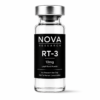
RT-3 10mg
£64.99 -
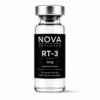
RT-3 5mg
£39.99 -
Sterile Needle Syringes
£3.49 -
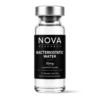
Bacteriostatic Water
£5.99