

GHK-Cu is one of the most extensively studied peptide compounds within modern peptide research. First identified in human plasma, this naturally occurring copper-binding peptide has attracted significant scientific interest due to its involvement in a variety of biological processes and cellular signalling pathways.
Over several decades, researchers have investigated GHK-Cu across multiple scientific disciplines, making it one of the most widely referenced peptides within contemporary research literature.
This article explores the scientific background of GHK-Cu, its structure, biological significance and why it continues to generate interest within research environments.
What Is GHK-Cu?
GHK-Cu stands for:
Glycyl-L-Histidyl-L-Lysine Copper
It is a naturally occurring tripeptide consisting of three amino acids:
- Glycine
- Histidine
- Lysine
When bound to copper ions, the compound forms GHK-Cu, commonly referred to as a copper peptide.
The peptide was originally discovered in human plasma and has since been identified in various tissues throughout the body.
Understanding Copper Peptides
Copper peptides are naturally occurring molecules capable of binding copper ions.
Copper itself plays an important role in numerous biological processes, including:
- Cellular signalling
- Enzymatic activity
- Tissue maintenance
- Protein function
Researchers have explored how peptide-bound copper may influence biological pathways and cellular communication mechanisms.
Why Has GHK-Cu Generated Scientific Interest?
One reason GHK-Cu has attracted considerable attention is its broad presence within scientific literature.
Research involving GHK-Cu has investigated:
- Cellular signalling pathways
- Gene expression
- Tissue biology
- Copper transport mechanisms
- Protein regulation
Its naturally occurring origin and extensive publication history have contributed to its popularity within peptide research.
The Structure Of GHK-Cu
GHK-Cu is classified as a tripeptide due to its composition of three amino acids.
The peptide’s ability to bind copper ions is a defining characteristic and contributes to its unique biological properties.
Researchers commonly study:
- Peptide-copper interactions
- Molecular stability
- Structural behaviour
- Binding affinity
These characteristics continue to be explored within modern peptide science.
Naturally Occurring In The Human Body
Unlike many synthetic investigational compounds, GHK-Cu occurs naturally within biological systems.
Research has identified GHK-Cu in:
- Blood plasma
- Saliva
- Urine
- Various tissue environments
Scientific literature suggests levels may change over time, contributing to ongoing research interest surrounding its biological significance.
GHK-Cu & Cellular Signalling Research
One area of significant interest involves cellular communication pathways.
Researchers have investigated how GHK-Cu may interact with:
- Cellular signalling networks
- Protein regulation mechanisms
- Gene expression pathways
- Tissue-related biological processes
These investigations continue to contribute to a growing body of scientific literature surrounding copper peptide biology.
Why Purity Matters For GHK-Cu
As with all research peptides, analytical verification remains important when evaluating GHK-Cu quality.
Researchers commonly assess:
- Purity percentages
- Compound identity
- Batch consistency
- Analytical documentation
Verification methods often include:
- HPLC analysis
- Mass spectrometry
- Batch traceability
- Independent laboratory testing
Analytical transparency remains an important consideration when sourcing investigational compounds.
Storage & Stability Considerations
Like many peptide compounds, GHK-Cu is commonly supplied in lyophilised form.
Lyophilisation helps:
- Improve stability
- Reduce degradation risk
- Support long-term storage
- Minimise moisture exposure
Researchers typically prioritise:
- Controlled storage conditions
- Proper handling procedures
- Batch traceability
- Analytical documentation
Professional handling standards play an important role in maintaining compound integrity.
The Importance Of Third-Party Testing
As demand for research peptides continues to grow, independent analytical verification has become increasingly important.
Third-party testing helps support:
- Identity confirmation
- Purity verification
- Batch consistency
- Analytical transparency
Researchers frequently view independent verification as one of the strongest indicators of professional quality control standards.
What Researchers Should Look For
When evaluating GHK-Cu, researchers commonly consider:
- Independent testing
- HPLC purity data
- Mass spectrometry verification
- Batch traceability
- Transparent documentation
- Professional packaging standards
These factors help provide confidence in sourcing reliability and analytical quality.
Frequently Asked Questions
What does GHK-Cu stand for?
GHK-Cu stands for Glycyl-L-Histidyl-L-Lysine Copper, a naturally occurring copper-binding tripeptide.
What is a copper peptide?
A copper peptide is a peptide compound capable of binding copper ions through its molecular structure.
Is GHK-Cu naturally occurring?
Yes. GHK-Cu has been identified naturally within human plasma and various biological tissues.
Why is GHK-Cu researched?
Researchers have investigated GHK-Cu across a wide range of scientific disciplines involving cellular biology, signaling pathways and protein regulation.
Why is analytical testing important?
Independent testing helps verify identity, purity and manufacturing consistency.
Final Thoughts
GHK-Cu remains one of the most extensively researched peptides within modern scientific literature. Its naturally occurring origin, copper-binding properties and broad body of published research continue to make it a subject of interest across multiple areas of peptide science.
As peptide research continues to evolve, analytical transparency, independent verification and professional quality control standards remain essential considerations when evaluating investigational compounds.
For researchers seeking clinically presented, verification-focused research compounds, maintaining emphasis on purity, traceability and analytical integrity remains increasingly important in today’s expanding peptide research landscape.
Recommended products
-
Bacteriostatic Water
£5.99 -
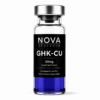
GHK-CU
£29.99 -

Isopropyl Alcohol Pads
£1.99 -
Sterile Needle Syringes
£3.49