

As interest surrounding advanced metabolic research compounds continues to grow, Retatrutide and Semaglutide have become two of the most widely discussed peptides within scientific and pharmaceutical research environments.
Although both compounds are associated with incretin-related pathways, they differ significantly in structure, receptor activity and investigational focus. Understanding these distinctions is important for researchers analysing emerging developments in peptide science and metabolic pathway research.
This article examines the current scientific understanding of Retatrutide and Semaglutide, their mechanisms, structural differences and why multi-receptor agonists are generating increasing attention within modern research literature.
What Is Semaglutide?
Semaglutide is a GLP-1 receptor agonist originally developed for metabolic and glucose regulation research.
The compound primarily targets:
- GLP-1 (Glucagon-Like Peptide-1) receptors
Research involving GLP-1 receptor agonists has focused on:
- Appetite signalling
- Gastric emptying pathways
- Glucose response mechanisms
- Energy intake regulation
Semaglutide became one of the most recognised compounds within the broader category of incretin-based metabolic research.
What Is Retatrutide?
Retatrutide is considered a next-generation investigational peptide designed to target multiple receptor pathways simultaneously.
Unlike Semaglutide, Retatrutide acts on:
- GLP-1 receptors
- GIP receptors
- Glucagon receptors
Because of this triple agonist mechanism, Retatrutide has attracted substantial scientific interest within emerging metabolic and energy expenditure research.
The Core Difference Between Retatrutide & Semaglutide
The primary distinction lies in receptor activity.
Semaglutide
Semaglutide focuses exclusively on:
- GLP-1 receptor activation
Retatrutide
Retatrutide combines:
- GLP-1 receptor activity
- GIP receptor activity
- Glucagon receptor activity
This additional receptor interaction profile is what differentiates Retatrutide from earlier single-pathway compounds.
Understanding GLP-1 Receptor Activity
GLP-1 receptor agonists have become a major area of modern metabolic research.
Scientific investigation has explored their potential relationship with:
- Appetite regulation pathways
- Gastric emptying modulation
- Glucose signalling
- Energy intake response mechanisms
Both Semaglutide and Retatrutide contain GLP-1 receptor activity as part of their mechanism.
The Role Of GIP & Glucagon Pathways
Retatrutide’s added complexity comes from its interaction with GIP and glucagon receptors.
GIP Receptor Research
Current literature has explored GIP pathways in relation to:
- Insulin signalling
- Energy utilisation
- Metabolic regulation
Glucagon Receptor Research
Glucagon receptor activity is particularly notable due to ongoing investigation surrounding:
- Energy expenditure
- Lipid metabolism
- Metabolic rate pathways
This broader receptor profile is why Retatrutide is frequently described as a “triple agonist” peptide.
Why Retatrutide Has Generated Significant Attention
Interest surrounding Retatrutide has accelerated rapidly due to:
- Its multi-pathway mechanism
- Emerging clinical research
- Increasing focus on advanced incretin science
- Interest in next-generation metabolic compounds
Researchers are particularly interested in whether multi-receptor agonists may produce different biological responses compared to earlier single-pathway compounds.
As with all investigational peptides, conclusions should only be drawn from peer-reviewed research and regulated clinical studies.
Structural Complexity & Peptide Development
Modern peptide development has increasingly shifted toward compounds capable of targeting multiple biological pathways simultaneously.
This reflects broader pharmaceutical interest in:
- Multi-receptor signalling
- Advanced metabolic modulation
- Combination pathway research
- Next-generation peptide engineering
Retatrutide represents one of the most prominent examples of this newer development direction.
The Importance Of Purity Testing
As demand for advanced peptide compounds increases, third-party verification remains essential.
Common quality assurance methods include:
- HPLC purity analysis
- Mass spectrometry verification
- Batch traceability
- Identity confirmation
Without independent testing, researchers may encounter:
- Inconsistent purity
- Misidentified compounds
- Underdosed material
- Quality control concerns
At Nova Research, emphasis is placed on clinically presented research compounds, transparent sourcing standards and verification-focused batch handling.
Frequently Asked Questions
Is Retatrutide stronger than Semaglutide?
Retatrutide and Semaglutide are structurally different investigational compounds with distinct receptor activity profiles. Ongoing research continues to evaluate their mechanisms and biological effects.
What receptors does Semaglutide target?
Semaglutide primarily targets GLP-1 receptors.
Why is Retatrutide called a triple agonist?
Retatrutide activates GLP-1, GIP and glucagon receptors simultaneously.
Are these compounds approved in the UK?
Regulatory status varies depending on the specific compound, formulation and intended use. Researchers should always refer to official regulatory guidance.
Why is third-party testing important?
Independent analysis helps confirm compound identity, purity and manufacturing consistency.
Final Thoughts
Retatrutide and Semaglutide represent two important stages in the evolution of incretin-based metabolic research. While Semaglutide helped establish widespread scientific interest in GLP-1 receptor agonists, Retatrutide reflects the growing movement toward multi-pathway peptide engineering.
As investigational peptide science continues to evolve, receptor complexity, purity verification and sourcing transparency remain increasingly important considerations for researchers and laboratories alike.
For those seeking clinically presented, verification-focused research compounds, maintaining emphasis on testing standards and batch integrity is essential in today’s rapidly expanding peptide landscape.
Recommended products
-
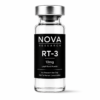
RT-3 10mg
£64.99 -
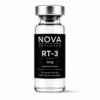
RT-3 5mg
£39.99 -
Sterile Needle Syringes
£3.49 -
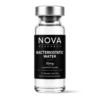
Bacteriostatic Water
£5.99