

BPC-157 and TB-500 are two of the most widely recognised investigational peptides within modern research environments. Frequently discussed together in peptide literature and scientific communities, both compounds have generated substantial interest due to their association with tissue signalling, angiogenesis and recovery-related biological pathways.
Despite often being grouped together, BPC-157 and TB-500 are structurally distinct peptides with different origins, mechanisms and areas of scientific investigation. Understanding these differences is important for researchers analysing peptide signalling pathways and investigational compound development.
This article explores the current scientific understanding of BPC-157 and TB-500, their structural differences, biological focus and the importance of quality verification when sourcing research compounds.
What Is BPC-157?
BPC-157 is a synthetic peptide consisting of 15 amino acids. The compound originates from sequences associated with gastric protein research and has become one of the most widely discussed peptides within investigational literature.
Research involving BPC-157 has explored:
- Gastrointestinal pathways
- Nitric oxide signalling
- Angiogenesis mechanisms
- Cellular communication processes
- Tissue-associated biological pathways
Its stability profile and broad investigational relevance have contributed significantly to its prominence within peptide research communities.
What Is TB-500?
TB-500 is a synthetic peptide fragment derived from thymosin beta-4, a naturally occurring peptide found throughout the body.
Research involving TB-500 has commonly focused on:
- Cellular migration pathways
- Structural protein interaction
- Cytoskeletal organisation
- Tissue remodelling mechanisms
- Angiogenesis research
TB-500 has become particularly notable within peptide science due to its association with actin regulation and cellular movement studies.
The Core Difference Between BPC-157 & TB-500
Although both compounds are frequently discussed within recovery-related research contexts, they differ significantly in structure and biological focus.
BPC-157
Research surrounding BPC-157 commonly focuses on:
- Nitric oxide pathways
- Gastrointestinal signalling
- Angiogenesis mechanisms
- Cellular communication processes
TB-500
Research surrounding TB-500 commonly focuses on:
- Cellular migration
- Structural protein pathways
- Actin regulation
- Cytoskeletal organisation
This distinction is important because the peptides are investigated through different biological mechanisms.
Understanding Angiogenesis Research
One area where both compounds frequently appear in literature is angiogenesis research.
Angiogenesis refers to the formation of new blood vessels and is an important area of investigation in:
- Tissue signalling studies
- Cellular repair research
- Vascular biology
- Regenerative pathway analysis
Although both peptides have been discussed in relation to angiogenesis, their proposed mechanisms differ substantially.
Structural Stability & Lyophilisation
Both BPC-157 and TB-500 are commonly supplied in lyophilised form to support stability during transport and storage.
Lyophilisation is a freeze-drying process designed to:
- Improve peptide stability
- Reduce degradation risk
- Extend storage viability
- Minimise moisture exposure
Typical storage considerations include:
- Refrigerated conditions
- Protection from direct sunlight
- Stable temperature control
- Avoiding repeated freeze-thaw cycles
Proper handling procedures remain essential for maintaining peptide integrity.
Why Purity Testing Matters
As the peptide industry continues to expand globally, independent verification has become increasingly important.
High-quality peptide analysis commonly includes:
- HPLC purity testing
- Mass spectrometry confirmation
- Batch traceability
- Identity verification
Without third-party testing, researchers may encounter:
- Inconsistent purity
- Mislabelled compounds
- Underdosed material
- Quality control concerns
At Nova Research Supply, emphasis is placed on clinically presented research compounds, transparent sourcing standards and verification-focused batch handling.
Research Grade Peptides Explained
The term “research grade” generally refers to compounds supplied for laboratory and investigational environments.
High-quality sourcing standards typically prioritise:
- Independent verification
- Controlled handling procedures
- Batch consistency
- Professional storage conditions
- Transparent analytical documentation
As peptide demand increases, sourcing reliability and testing transparency remain essential considerations.
Frequently Asked Questions
Are BPC-157 and TB-500 the same?
No. Although often discussed together, they are structurally different peptides investigated for different biological mechanisms.
What is TB-500 derived from?
TB-500 is derived from thymosin beta-4, a naturally occurring peptide found within the body.
What is BPC-157 associated with?
Research involving BPC-157 commonly focuses on gastrointestinal pathways, nitric oxide signalling and angiogenesis-related mechanisms.
Why are peptides supplied as powders?
Lyophilised powders generally offer improved stability and shelf-life characteristics compared to liquid preparations.
Why is third-party testing important?
Independent testing helps confirm purity, identity and manufacturing consistency.
Final Thoughts
BPC-157 and TB-500 remain two of the most widely recognised investigational peptides within contemporary peptide research discussions. While both compounds are frequently associated with tissue signalling and angiogenesis-related pathways, their structures, origins and proposed mechanisms differ significantly.
As the peptide industry continues to evolve, sourcing standards, purity verification and transparent analytical testing remain critical considerations for researchers and laboratories alike.
For those seeking clinically presented, verification-focused peptide sourcing, maintaining emphasis on batch integrity and independent testing standards is increasingly important in today’s expanding research compound landscape.
Recommended products
-
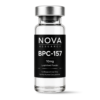
BPC-157
£29.99 -
Sterile Needle Syringes
£3.49 -
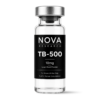
TB-500
£44.99 -
Bacteriostatic Water
£5.99